The world of technology has a recurring obsession: every new device must necessarily be a 'revolutionary' product, destined to change the world and make what was there before irrelevant. To succeed, however, we need mythology Killer Feature, that is, of that function so powerful that it makes us think and say “nothing will be the same as before”.
Spoiler: in smart glasses this killer feature does not yet exist. ad perhaps it will never exist.
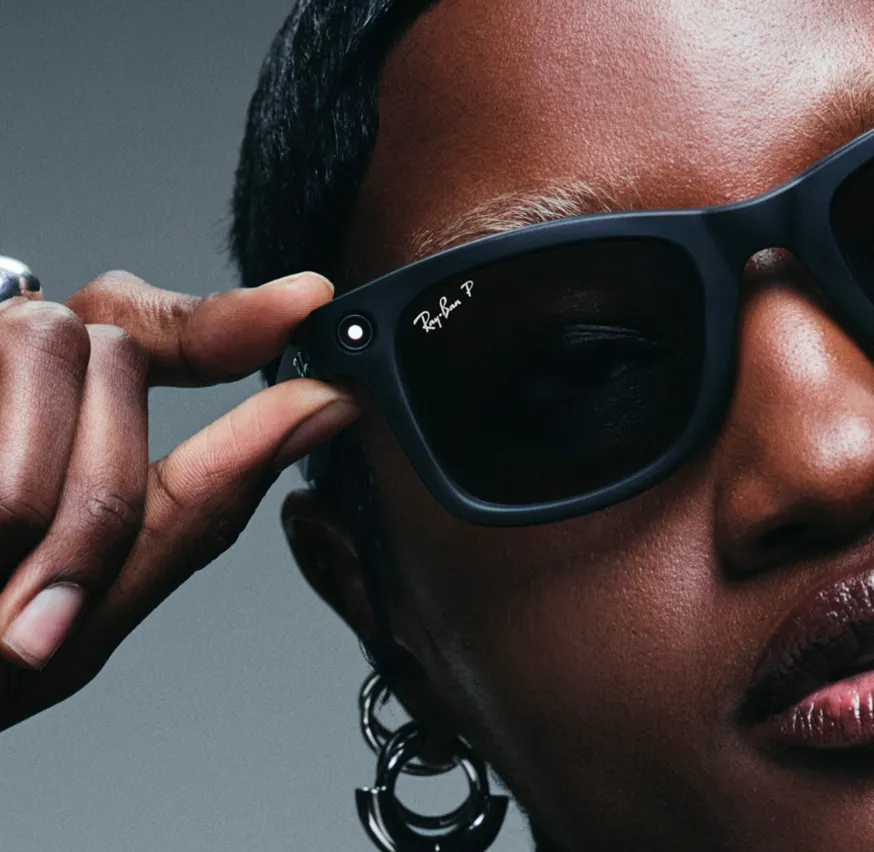
Let's start with Ray-Ban Meta: beautiful product, well-designed design, accurate UX, mature technology, price in line with the offer.
You wear them, do 'wow' and then live your usual daily routine. At the end of the day, you realize that you did exactly the same things as yesterday, the day before, and the day before that. You only wore a pair of smarter glasses, but without them everything would have been the same.
Not because of a lack of quality, because the product is there, but because of a lack of need. Smart glasses are like smartwatches: you want them, you try them, you buy them, you use them... but they don't change your life.
This is the first truth to accept, if we want to understand the future of these devices.

Conversations translated in real time, maps that appear before your eyes, perfect POV videos, AR that guides you while you cook or adjust the siphon. Yes, everything is very cool.
But none of these activities can transform smart glasses into a new smartphone, for one simple reason: they do not solve a universal problem, nor do they significantly improve 'traditional' ways of solving the same problems.
Big Tech pursues the 'product for everyone' but if we think of the latest universal and revolutionary products (TV, Internet and iPhone) it is not an easy goal to reach.

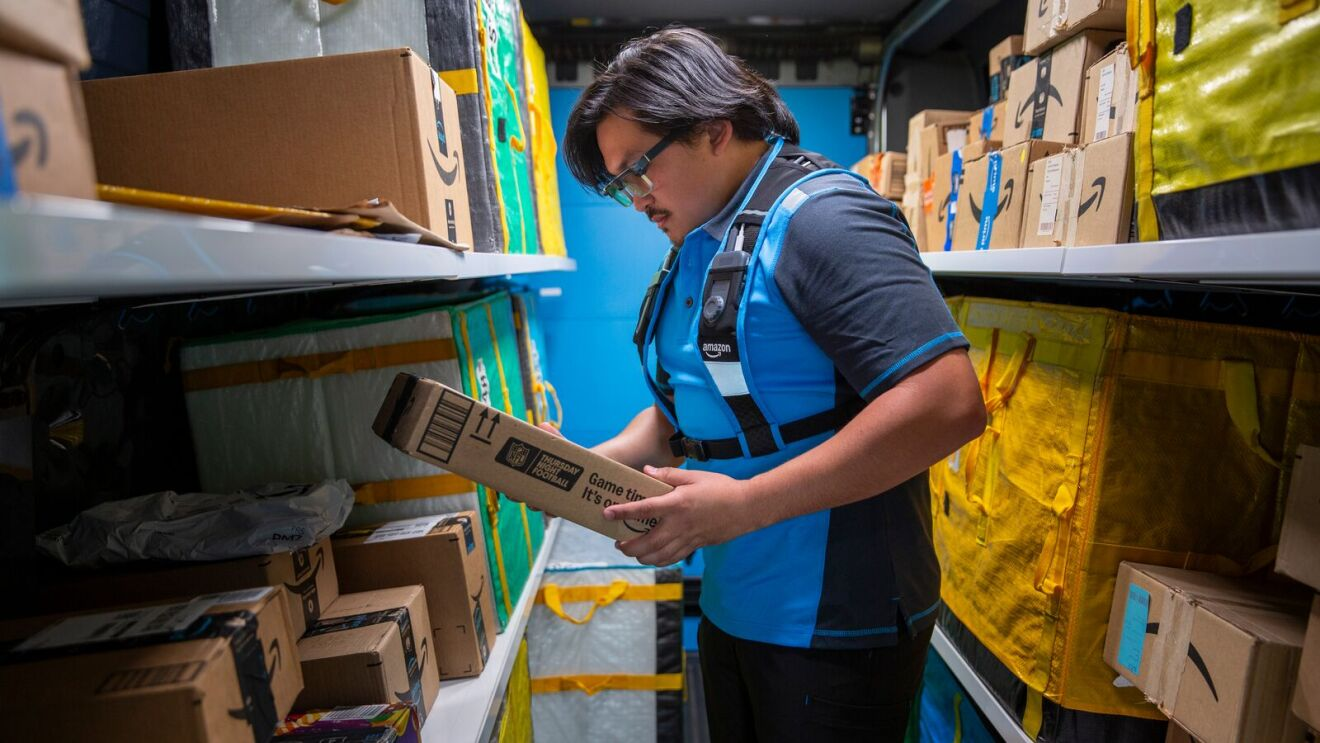
While the sector continues to imagine the future, Amazon has decided to work on the present and has presented Amazon's Delivery Glasses, putting them in the hands - indeed, in the face - to those who have a real need for them: couriers.
These glasses do exactly what they need:
There is another plus: they are very light, the battery is in the vest and lasts a full day of work. Zero aesthetics, zero hype, zero frills: just a workflow that finally no longer requires a handheld that weighs half a kilo.
This is the secret: Amazon didn't look for the perfect FUNCTION, it found the perfect SCENARIO. A scenario in which the functions of smart glasses are based on the needs of the users.
If you are curious to see the glasses in operation, this is the official Amazon link.
The difference between Feature and scenario It's the same difference between something 'cool' and something 'useful'.
Una Killer Feature it is a stroke of genius, brilliant and fascinating but often unattainable. Un Killer scenario It is a context in which that object becomes inevitable and not because it is futuristic, but because it is the best choice.
Amazon has understood it and has hit the mark: while everyone is trying to create 'the iPhone of the face', its smart glasses solve the problems of a certain category of people.

Smart glasses will not conquer the world in one fell swoop, but they could conquer specific sectors over time:
Not because they are 'cool', but because, in certain contexts, they are simply the best solution.
The future of smart glasses is not a large audience: it is a series of small, very powerful audiences.
If we're here waiting for the magic function that will make the smart glasses market explode... well, we'll wait a long time. If, on the other hand, we start looking for the contexts in which these devices could become indispensable, then yes, we have something to design on.
The question to ask, then, is not: “What can smart glasses do?”
The real question is: “In which scenario do the characteristics of smart glasses make them fundamental?”
Why innovation is not born in Feature perfect, but with perfect utility.
Between the two litigants, the third (who is still Meta)... is not enjoying it, right now.
The Oakley Meta Vanguard focuses on a very specific niche: sportsmen. It's a sensible choice but not enough, because smart glasses don't solve a real training problem either, they don't really change the practice — and the vision — of those who train every day.

Like GoPro: it has made what was already being done epic and 'wearable', but it hasn't changed the underlying behavior. Most people don't go extreme downhill or jump off cliffs in wingsuits every weekend. Action cameras are perfect for exclusive and exceptional experiences, not for everyday use.
GoPro has focused on a loyal audience, but with rare buying behavior. Result? Stagnant sales.
The Oakleys risk the same fate: becoming the premium gadget that you use, but that in reality you don't really need. And when a product remains confined to the “I can do without it” category, it finds itself to be a gadget — however beautiful and performing — that simply replaces another one.
We see it this way... even without smart glasses!
Continue reading our blogs